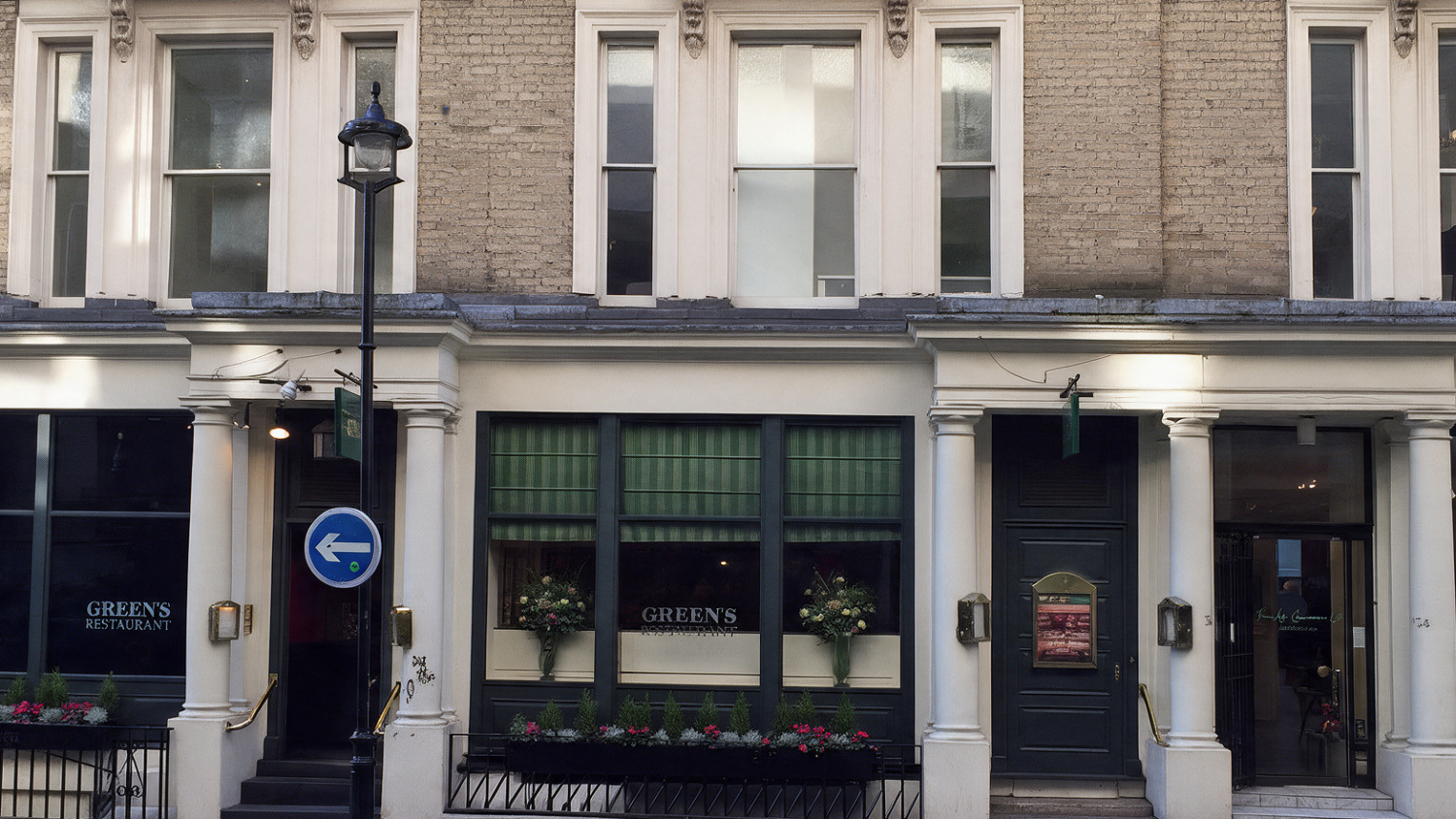
Langham Place is a stretch of London that specialises in landmarks: Broadcasting House at one end, All Souls' spire punctuating the view, and now, at numbers 14 and 15, a century-old name freshly lettered above the door. Richoux has come back. It has done so before, and will, one suspects, contrive to do so again — which is rather the point of it, and the most interesting thing a critic can say.
The pedigree is genuine and worth setting down, because the whole enterprise depends on it. In 1909 two French émigrés, one of them the eponymous Monsieur Richoux, opened a patisserie and confectioner in an Edwardian shop on Baker Street. It became, in its next life, the Richoux Tea Room near Portman Square — a place to meet without agenda, to sit over a cup and a macaron and watch the afternoon go by. In the 1970s it spread into a small, well-loved group, dropping addresses across Knightsbridge, Mayfair, St John's Wood and Piccadilly, and gathering along the way the sort of famous faces that heritage brands like to remember and rarely name.
Then it died. Richoux was among the first recognised London casualties of the pandemic, its Piccadilly room — a Richoux in one guise or another for the better part of a hundred years — going dark with the rest.
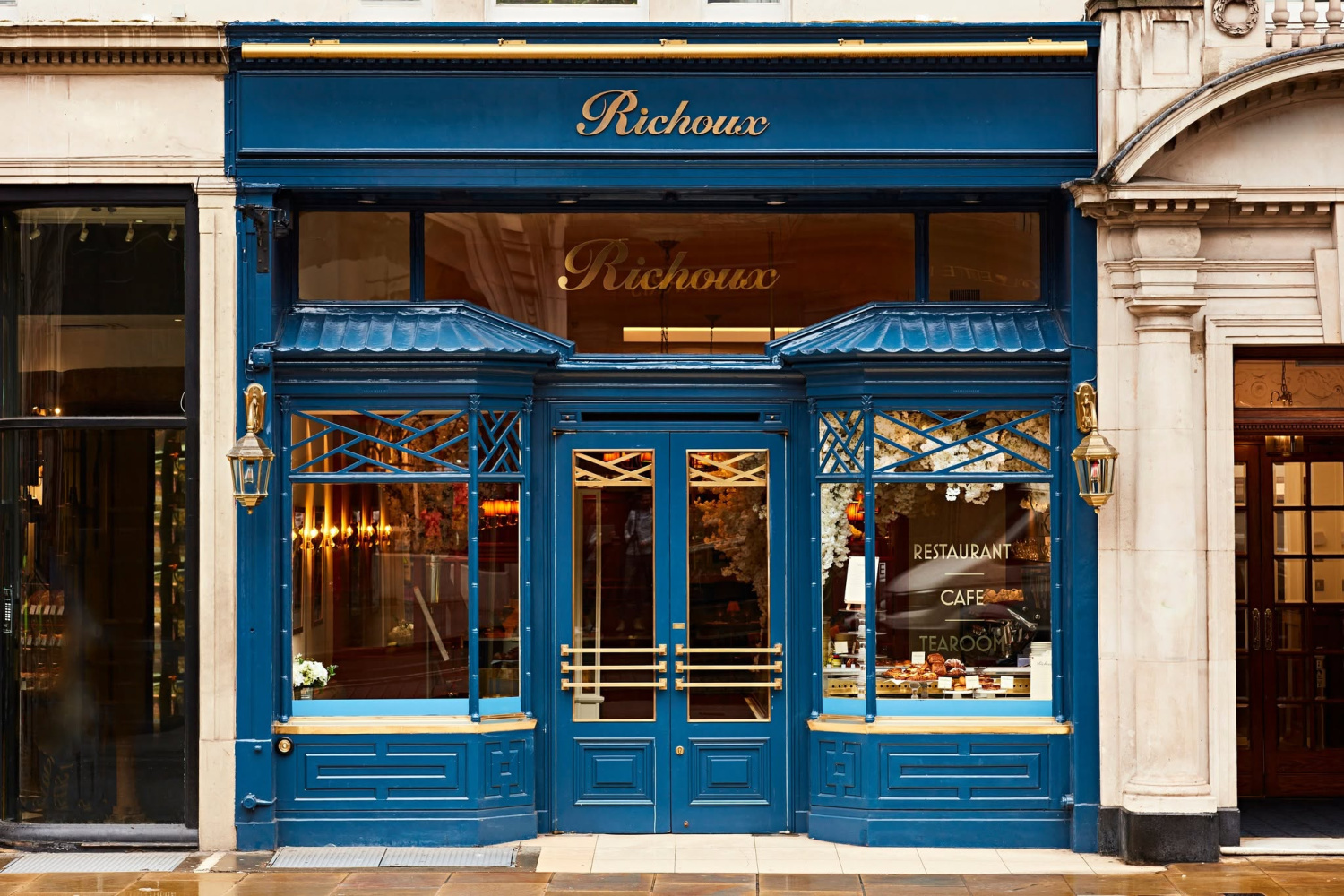
What has happened since is a study in how a name outlives its premises. There was a first resurrection in Piccadilly under two ambitious chefs, Jamie Butler and Lewis Spencer, who had met at the two-Michelin-starred Moor Hall and arrived with Eleven Madison Park and Le Manoir aux Quat'Saisons on their curricula vitae; one wag christened the result a "baby Zédel," which was both a compliment and a fair warning. That version lasted a couple of years. The current owners have had another go, this time settling a flagship at Langham Place — styled, with a West End estate agent's optimism, as Oxford Circus — a short walk from the Portman Square room of its middle age.
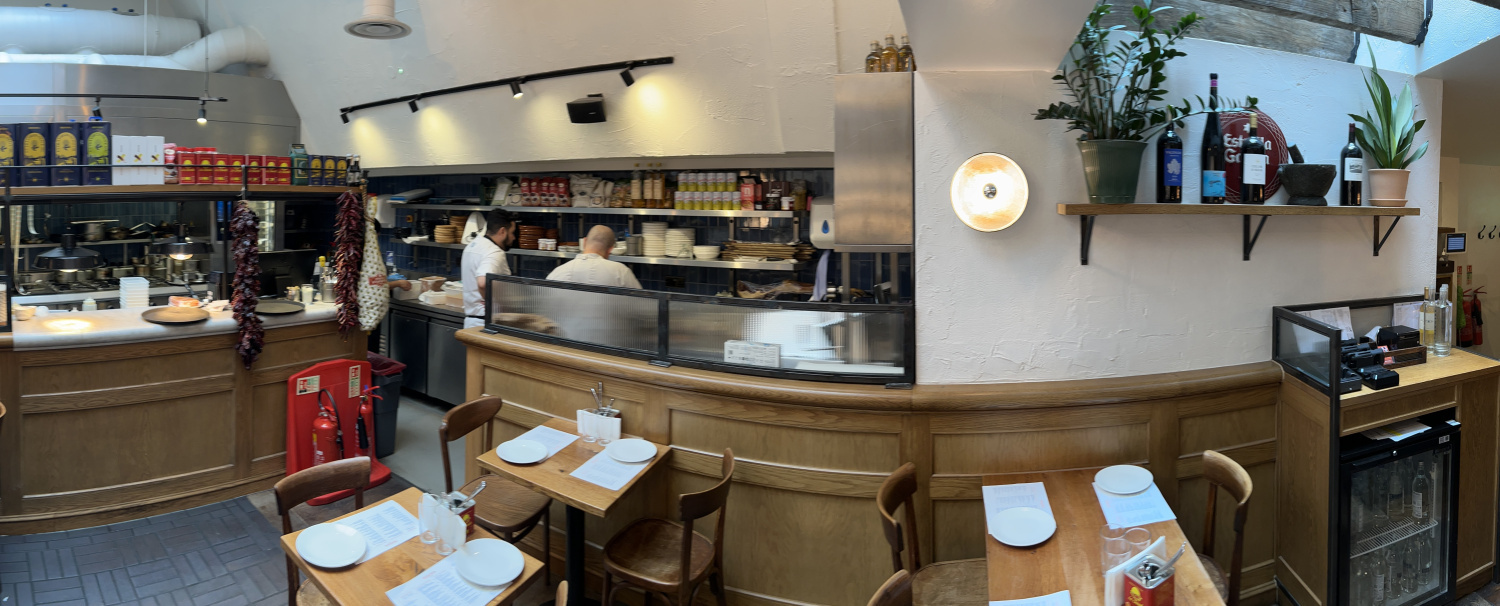
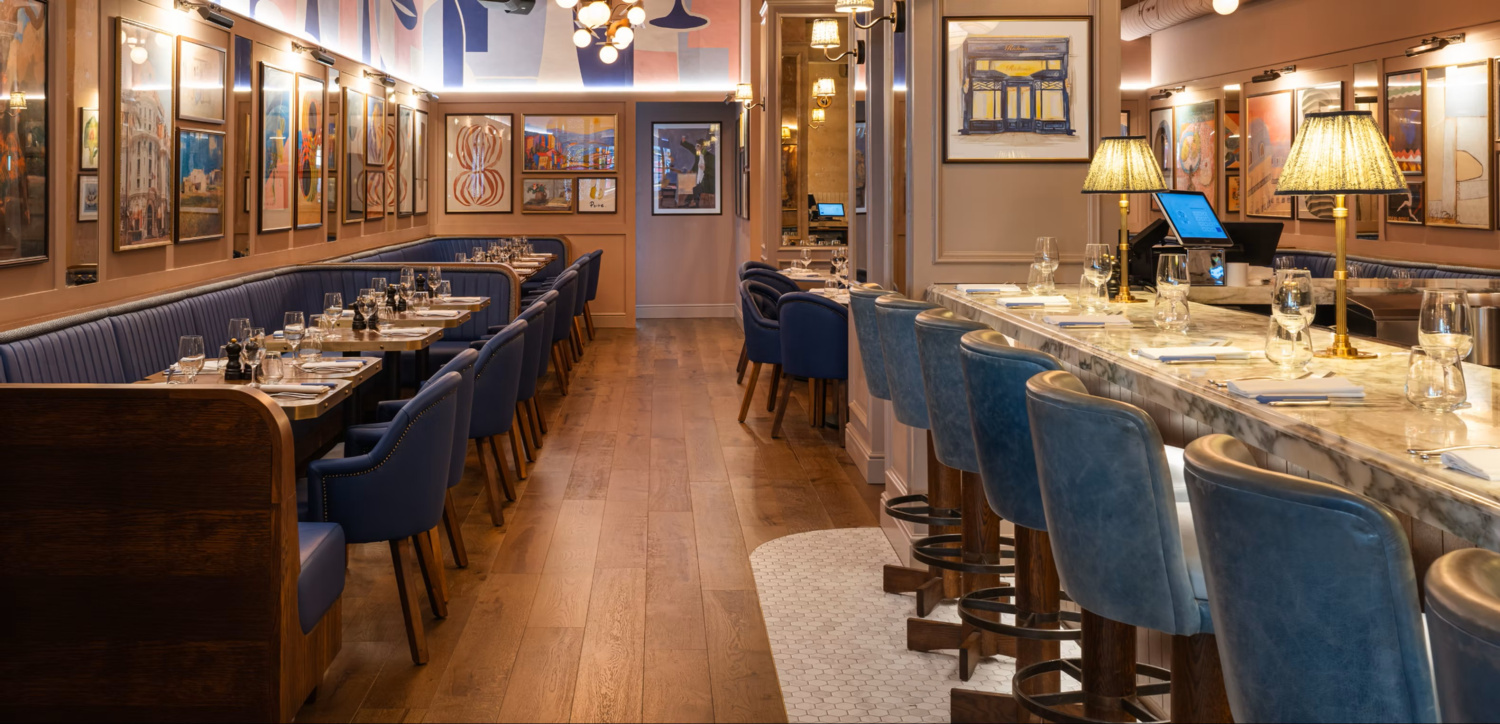
The proposition now is an all-day brasserie: French classics with the odd passport-stamp from further afield, served under the flag of the golden age of the Parisian café. There is a summer set menu at £19.95 that is frank about wanting your custom, a weekend brunch, a children's menu, and the return — announced with the solemnity of a state occasion — of the Richoux Cruffin, the croissant-muffin that kept a following at the old Piccadilly counter. The room keeps a little of the former ceremony: patisserie on display, some tableside theatre, the register of a house that would like you to feel looked after. It is pitched, in the owners' own telling, at a sweet spot — sophistication without intimidation, occasion without a mortgage.
Here is the question the piece is really about, and it is not whether the soup is good. It is whether a heritage name, killed and revived by hands its founders never met, is the same thing that closed — or a well-made facsimile wearing the label. The purist's answer is that continuity once broken is continuity lost, and that what sits on Langham Place is a tribute act. The purist is, as usual, half right and wholly joyless. A name is a vessel; institutions have always survived by being decanted into new premises, new owners, new centuries. The Cruffin is the tell. One does not resurrect a specific pastry without understanding that the thing being sold is memory, and that memory, handled with respect, is a perfectly honest item to put on a plate.
Whether this particular pouring holds is a matter for the years, and for the accountants who have closed every previous Richoux. But a name that has died this variously is, by now, thoroughly rehearsed in the art of the comeback. The surest sign of an institution, in the end, is that it outlasts everyone convinced they had buried it.
We can but wish the best of luck to Richoux.