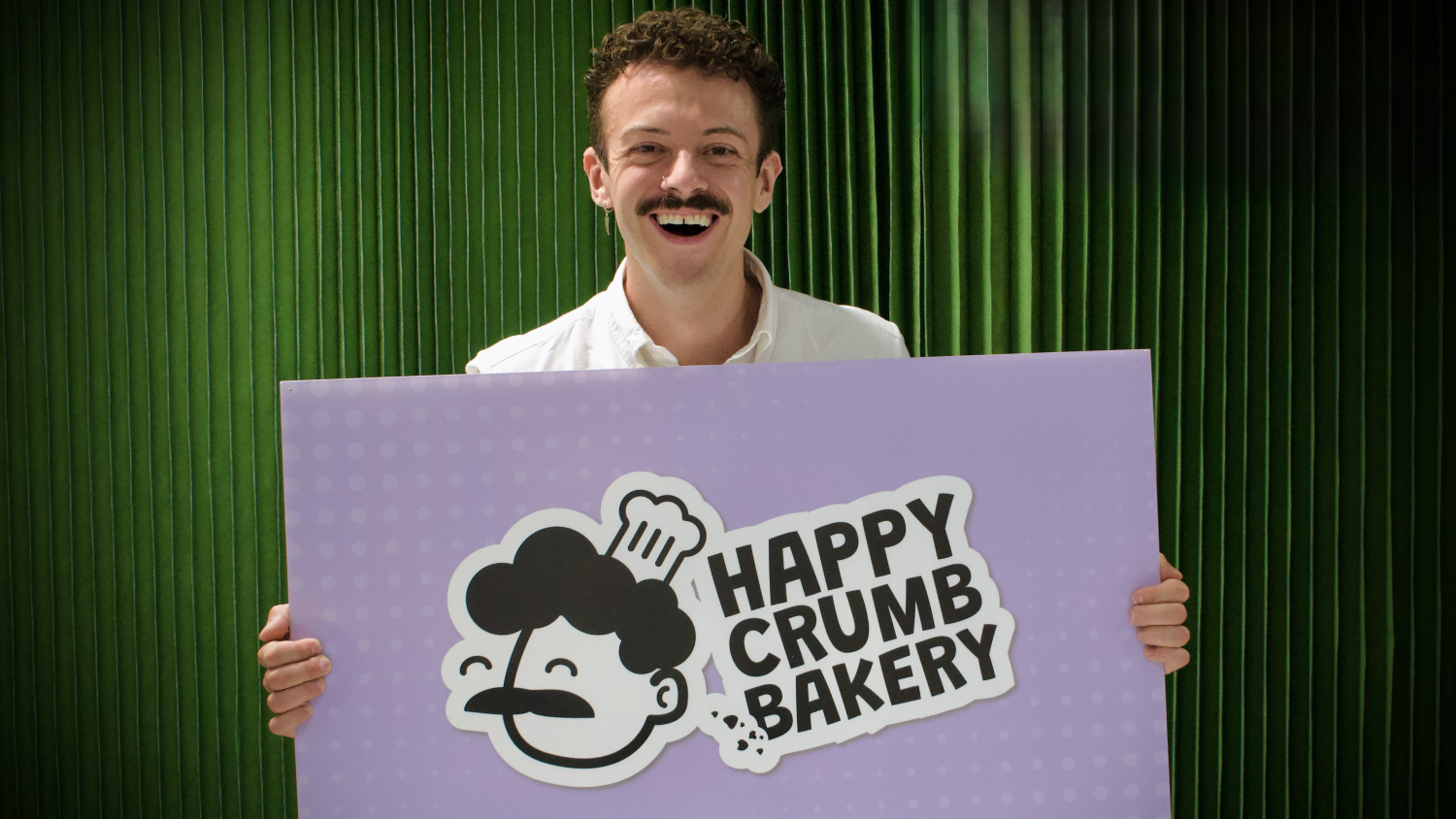
The founder of Happy Crumb on New York cookies with a British-pudding soul, the box of "Happy Crumb things" that would not let him quit, and why success, in the end, tastes like people coming back for another cookie.
Somewhere in a Battersea commercial kitchen, a sticky toffee pudding is being reincarnated as a cookie. So, on a good week, there are a cherry Bakewell, a tiramisu, and an apple crumble so convincingly plant-based that nobody guesses. This is the particular alchemy of Happy Crumb - the bakery Grant Marshall-Koper built, then rebuilt, out of a plain refusal to accept an average biscuit.
He got there the long way round. A performer by training, he moved into theatre management after the pandemic, and began baking cookies from his home kitchen as a side hustle - a few sold to friends and family, and then, to his considerable delight, a batch stocked on the bar of the theatre where he worked... That was 2024. What followed reads less like a smooth ascent than a test of nerve: a flash flood that gutted the premises and shut everything down; a slow return through markets, online orders, corporate gifting and West End event work; a move into a proper commercial kitchen; a warm-cookie pitch on a Soho street that he adored and ultimately had to let go; and, most recently, the Cookie Lab, a team-building venture that turns the business of flavour into an away-day. He does not, as those who know him will tell you, do things by half.
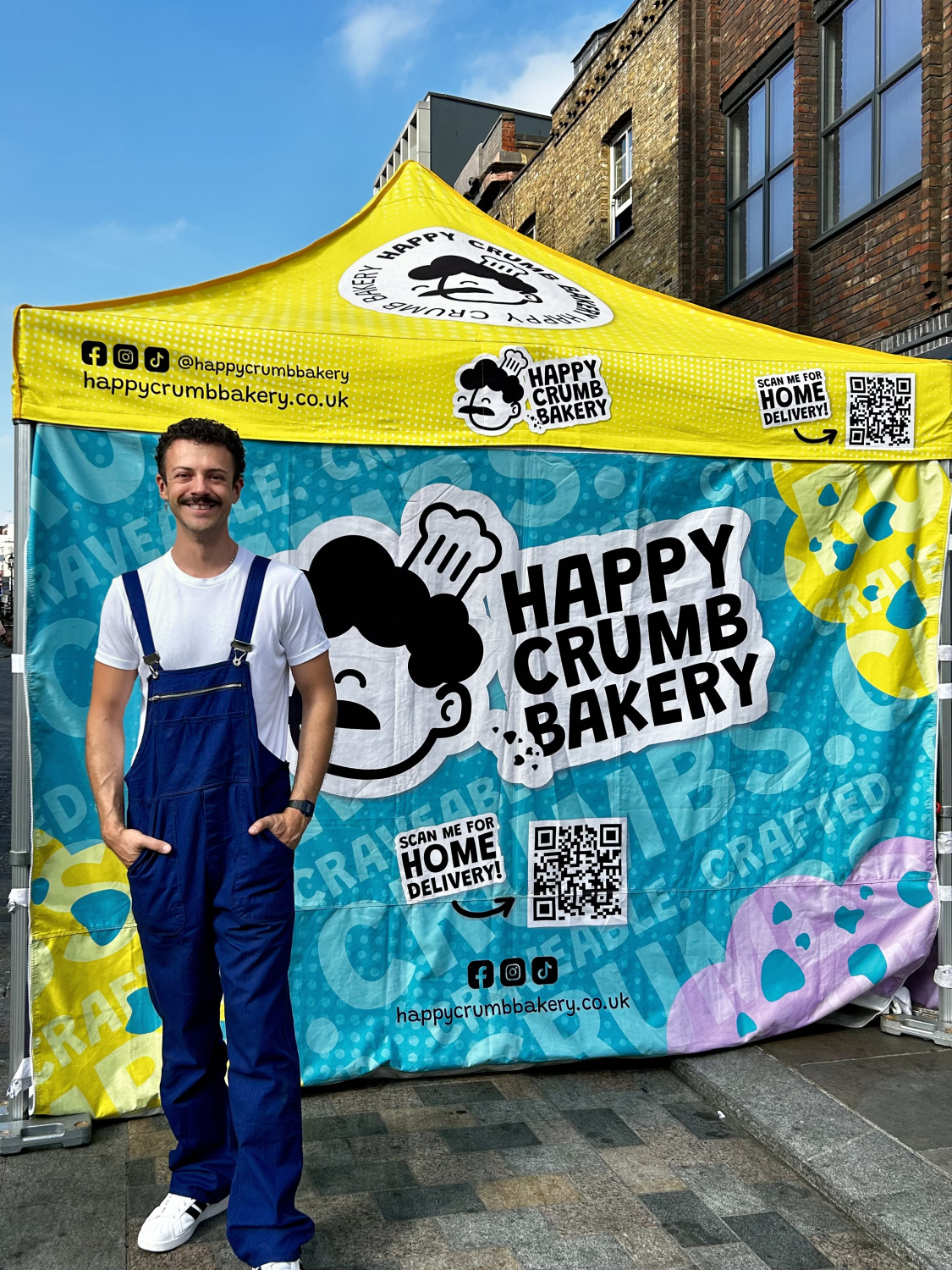
Happy Crumb began in a home kitchen in 2024, out of a refusal to accept an average cookie. What lit the fuse - and when did a tray of biscuits start turning into a business?
I've always loved baking, ever since I was a kid. My Nan was a great baker, and she and my mum both taught me; as I got older, I carried on teaching myself. Originally I trained and worked as a performer, and after Covid I moved into theatre management - and it was then that I started this as a side hustle, baking cookies from my home kitchen. I sold a few to friends and family, and then the theatre I was working in decided to stock them on their bar. I was over the moon! The general public were buying my cookies.
You developed the signature dough yourself, chasing crisp edges and a gooey middle. What went into getting it right?
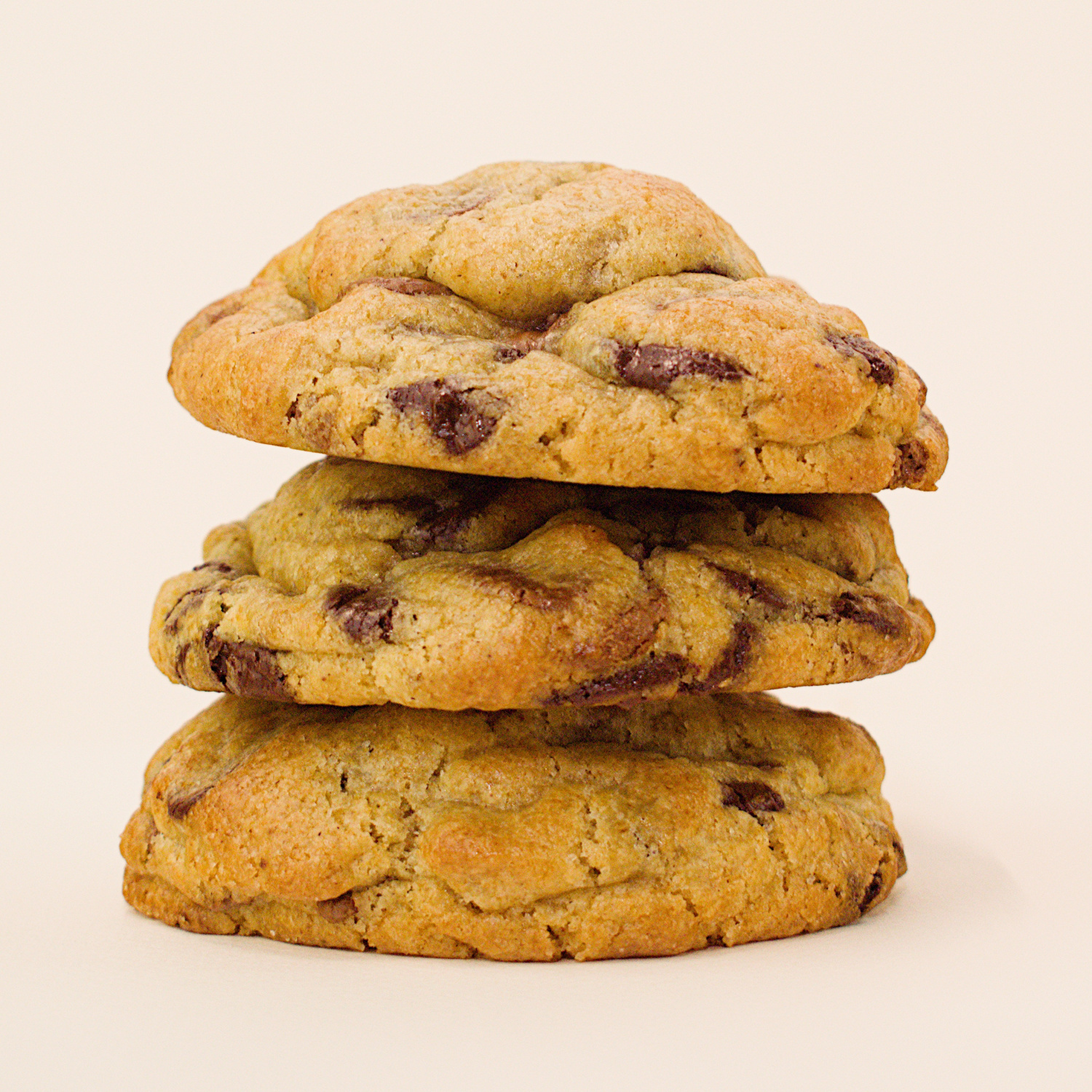
Those who know me know I don't do things by half. I could have picked the first recipe I found and run with it, but I truly believed I could put my own stamp on it, so I kept tweaking until I got a flavour profile that really made me want to go back for more. For our signature dough, we use a specific blend of sugars and spices to get a rich, deep flavour, with notes of caramel and vanilla that make the chocolate sing.
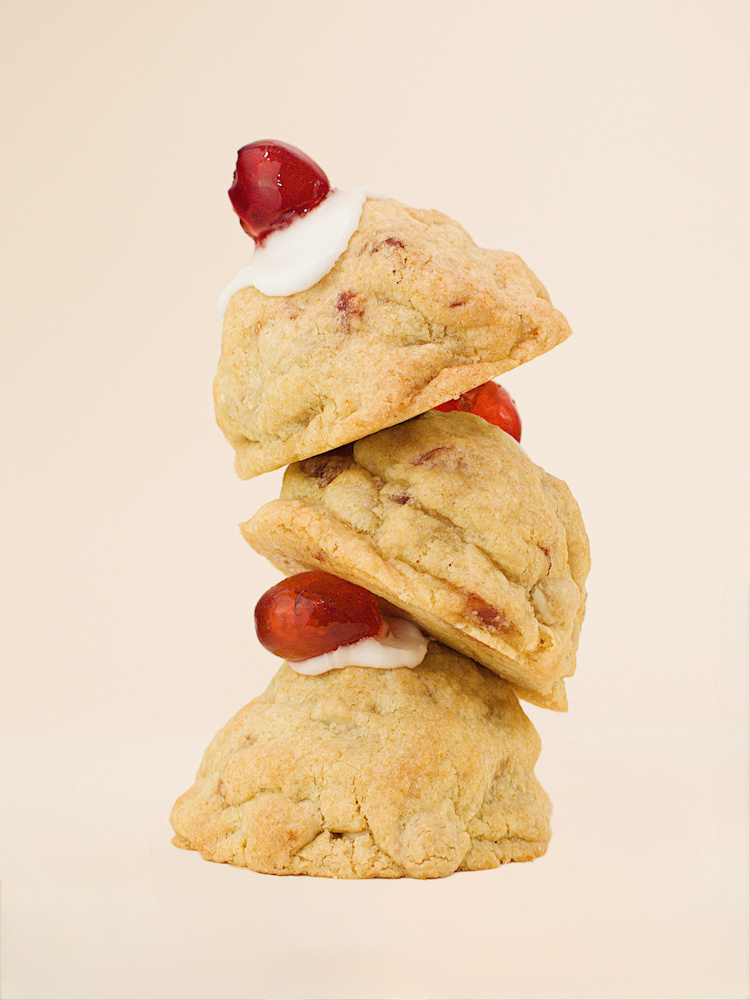
Being inventive with flavours is how we found our niche: we turn classic British puddings into gourmet NYC cookies. Sticky toffee pudding, cherry Bakewell, tiramisu - all in cookie form. One of our most popular is apple crumble; I tried to take it off the menu once, and there was uproar. That one is also completely plant-based, and you would never know.
 Early on, a flood took the bakery out of action and forced you to close. Take us back to that moment.
Do I have to? It was devastating. I was baking at home in every spare moment then. We were on holiday - we'd finished major renovations the week before - and my husband and I came back to a flash flood. Everything was ruined. Everything. The whole place had to be completely gutted and redone, and we had to move out for nine months. It put the brakes on my business, and I honestly didn't know what I would do.
I was working a job that wasn't giving me the satisfaction I needed, and as we prepared to move back home, I found the box of "Happy Crumb things". Then my brain started ticking again. I realised I'd put so much time - and money - into starting the business, and it had been cut short before it really got going. So I thought I should give it another go. This time with more pelt.
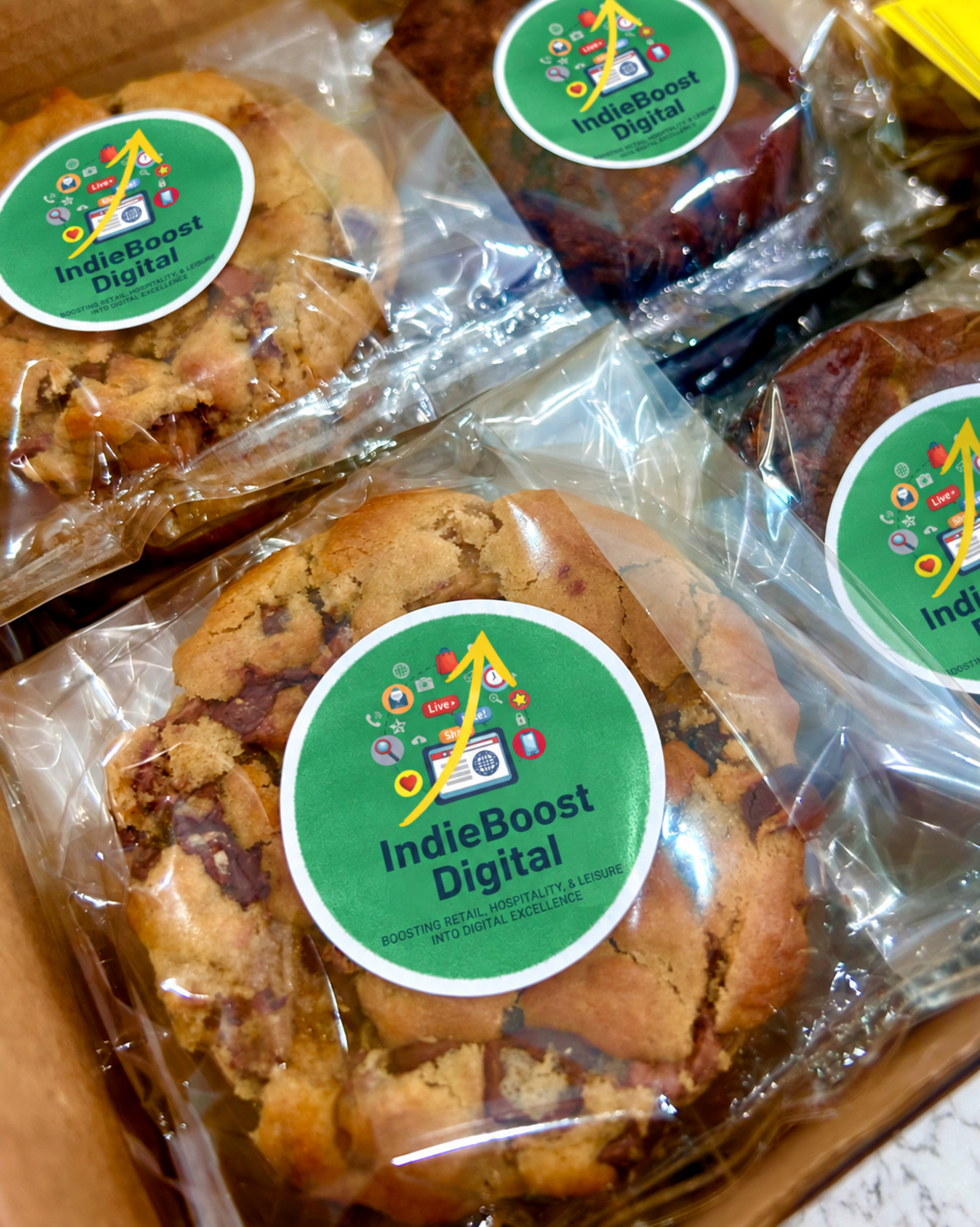
You came back through markets, online orders, corporate gifting and West End event work - branded cookies for press nights among them. What did rebuilding from scratch teach you that a straight shopfront launch never could?
It all evolved naturally. Having a theatrical background helped at first, but the markets were when I realised, this could sustain the business, if we get it right. It was at the markets that my customer base really started to grow - building regulars, meeting people from different industries.
I quit my job last October and moved into a commercial kitchen in Battersea. At home I could make twenty-four cookies in an hour; I could now make a hundred and sixty. That move was a real turning point - it meant I had the capacity to scale properly. Rebuilding from scratch has taught me resilience. It is not an easy ride, and that continues to this day. There is always a learning curve. Sometimes I wish it would flatten out a little, so I can catch my breath - but then again, where's the fun in that?
 The Rupert Street pitch - handing someone a warm cookie on a Soho street on a Friday night - was, in your words, "the dream". It's since closed, because the footfall wasn't there. How do you make peace with a milestone that didn't quite work out?
I absolutely loved the idea of Rupert Street. There's something wonderful about walking through Soho on a Friday evening, seeing people enjoying themselves, and being able to offer them a freshly baked, warm cookie. I could picture exactly what I wanted the experience to feel like, and I was really excited about bringing Happy Crumb into that environment.
Unfortunately, the commercial reality was different from what we'd hoped. The footfall at our particular location wasn't sufficient to make the pitch work, and ultimately we had to move on. I was disappointed, of course - we'd put a lot of work into it, and it was something I'd been really excited about.
But running a business means being willing to make difficult decisions, even when you're emotionally invested in an idea.
Soho taught me to pay much closer attention to the relationship between location, customer behaviour and the practicalities of operating a pitch. A location can be fantastic in principle, but you need enough of the right customers passing by at the right times. I'd love to bring Happy Crumb back to Soho one day, under the right circumstances.
You've moved your energy to Lower Marsh in Waterloo. What makes a market pitch work where a fixed Soho one didn't - and how do you decide where Happy Crumb belongs?
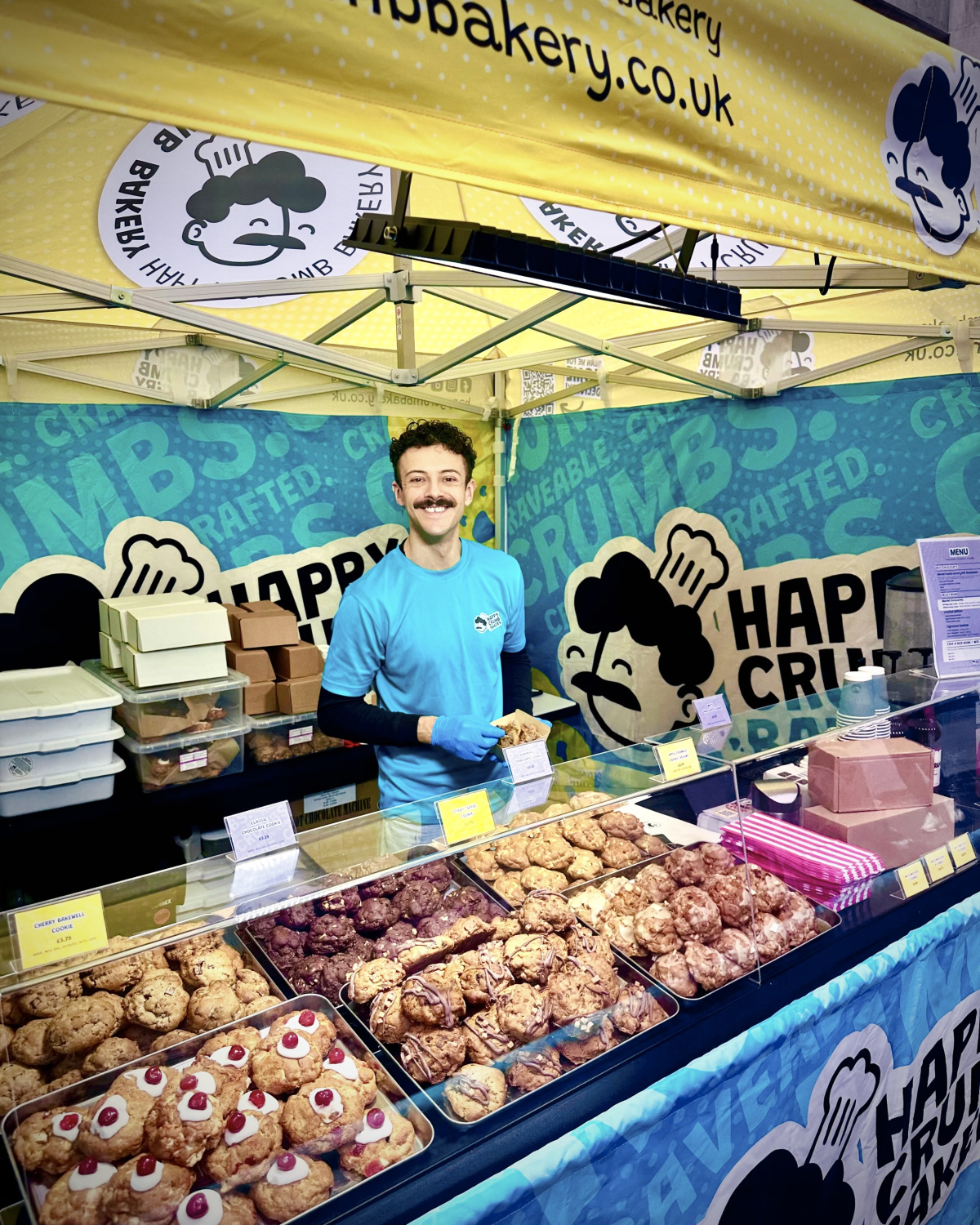
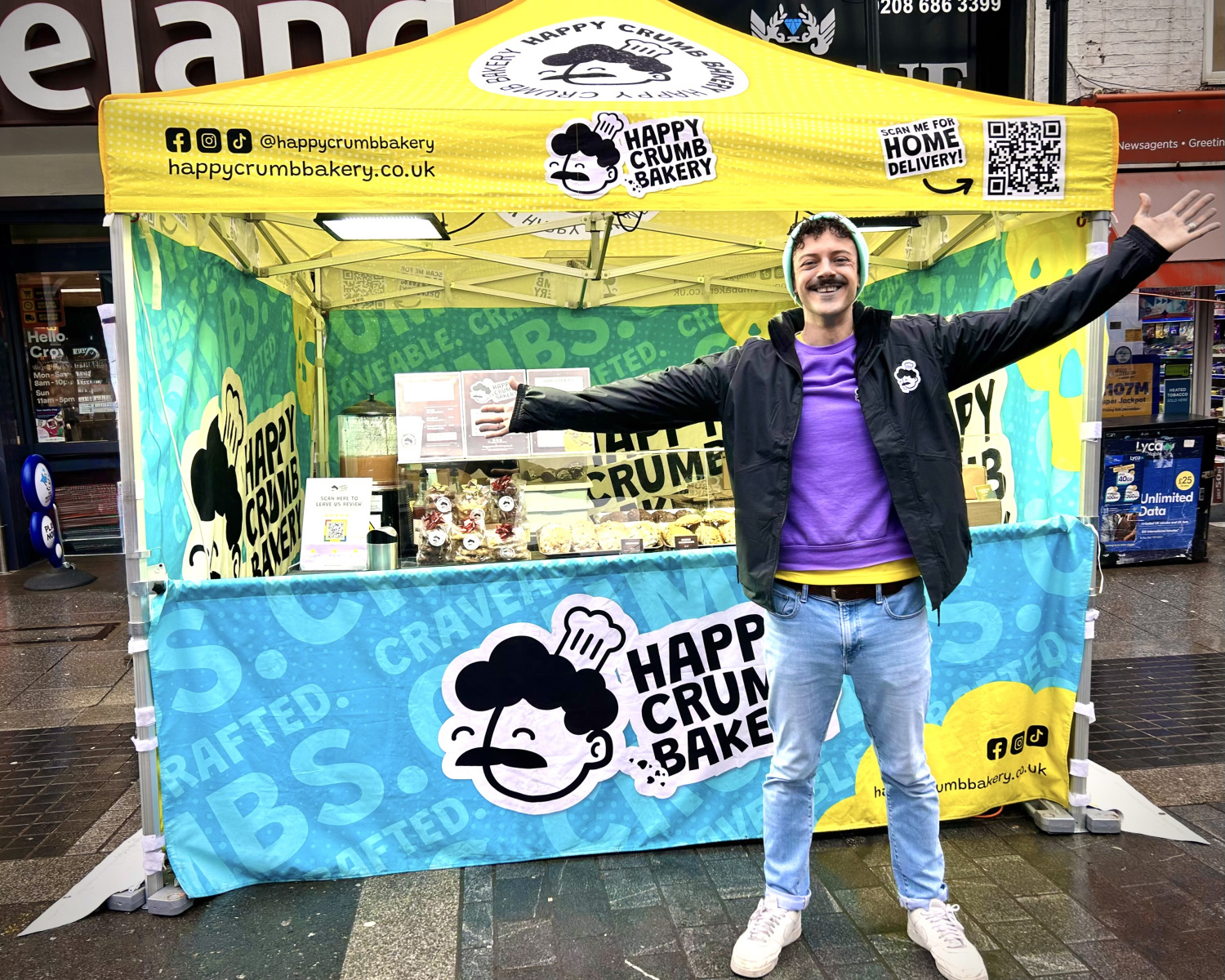
We're now trading regularly at Lower Marsh in Waterloo, alongside our other market and event commitments across London. For us, the most important thing about a market is understanding the people who visit it, and why they're there. Lower Marsh, for example, has a strong lunchtime trade - people working nearby, looking for something to eat or a treat to brighten their day. Our cookies work particularly well in that environment, because they're an accessible indulgence you can enjoy immediately or take back to the office. We've also found that evening markets and special events can work really well, particularly when visitors are after something a little different.
We're constantly learning which locations and formats suit the business. Before committing to a new pitch, we look at the expected footfall, the type of customer, the trading costs, and how it fits alongside our existing commitments. Ultimately, we want Happy Crumb to be somewhere people are excited to discover us, and where we can build a sustainable business around that demand.
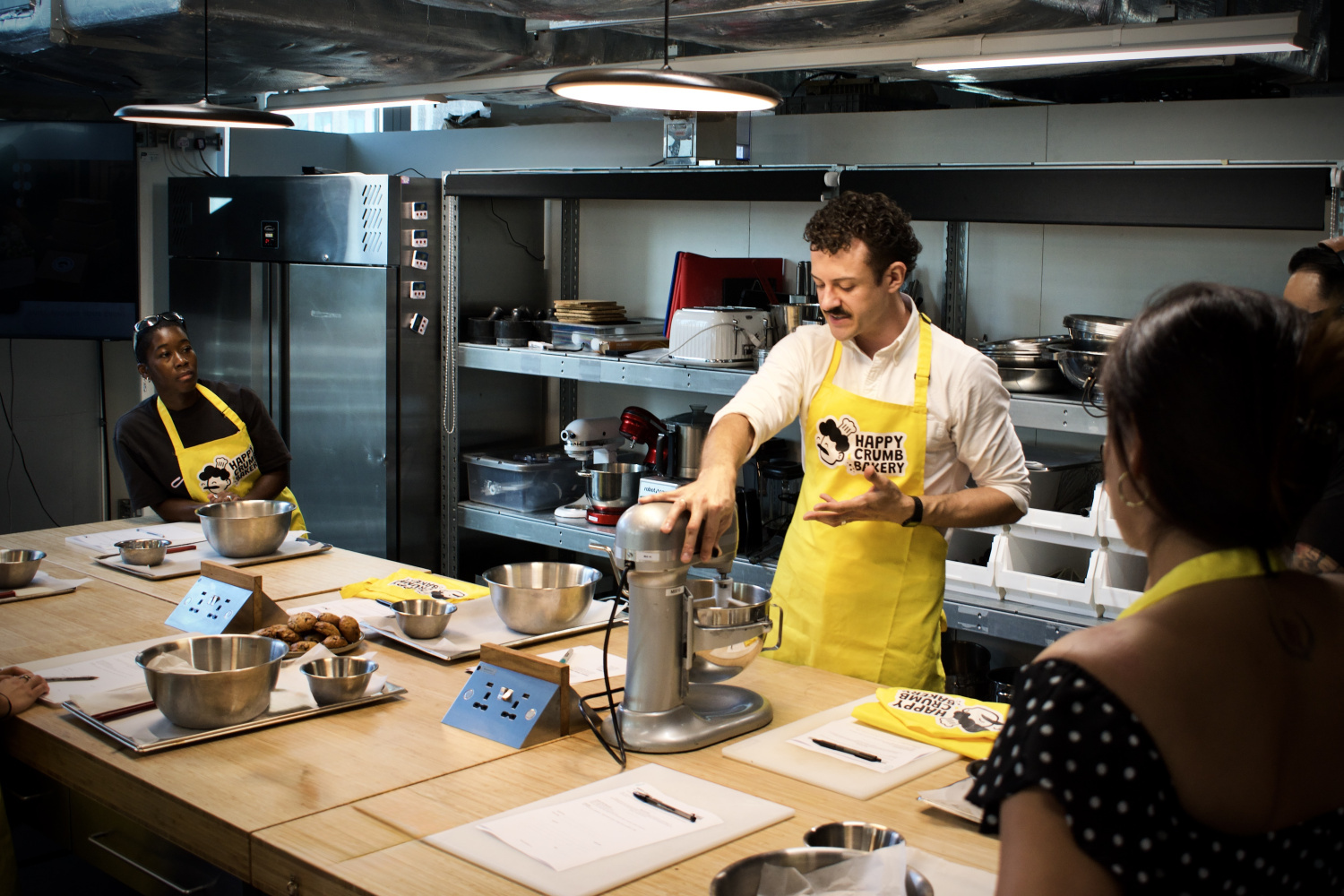 You've just launched the Cookie Lab, a corporate team-building experience, on top of growing your events, wholesale and online sides. How did a cookie brand become a team-building business - and how do you keep that many plates spinning?
The Cookie Lab grew out of something I've always loved about baking: the creative process. People are fascinated by how we develop our flavours, and there's something genuinely enjoyable about experimenting with ingredients and seeing what you can create - though there is an art to it. I started thinking about how we could turn that into an experience people could enjoy together.
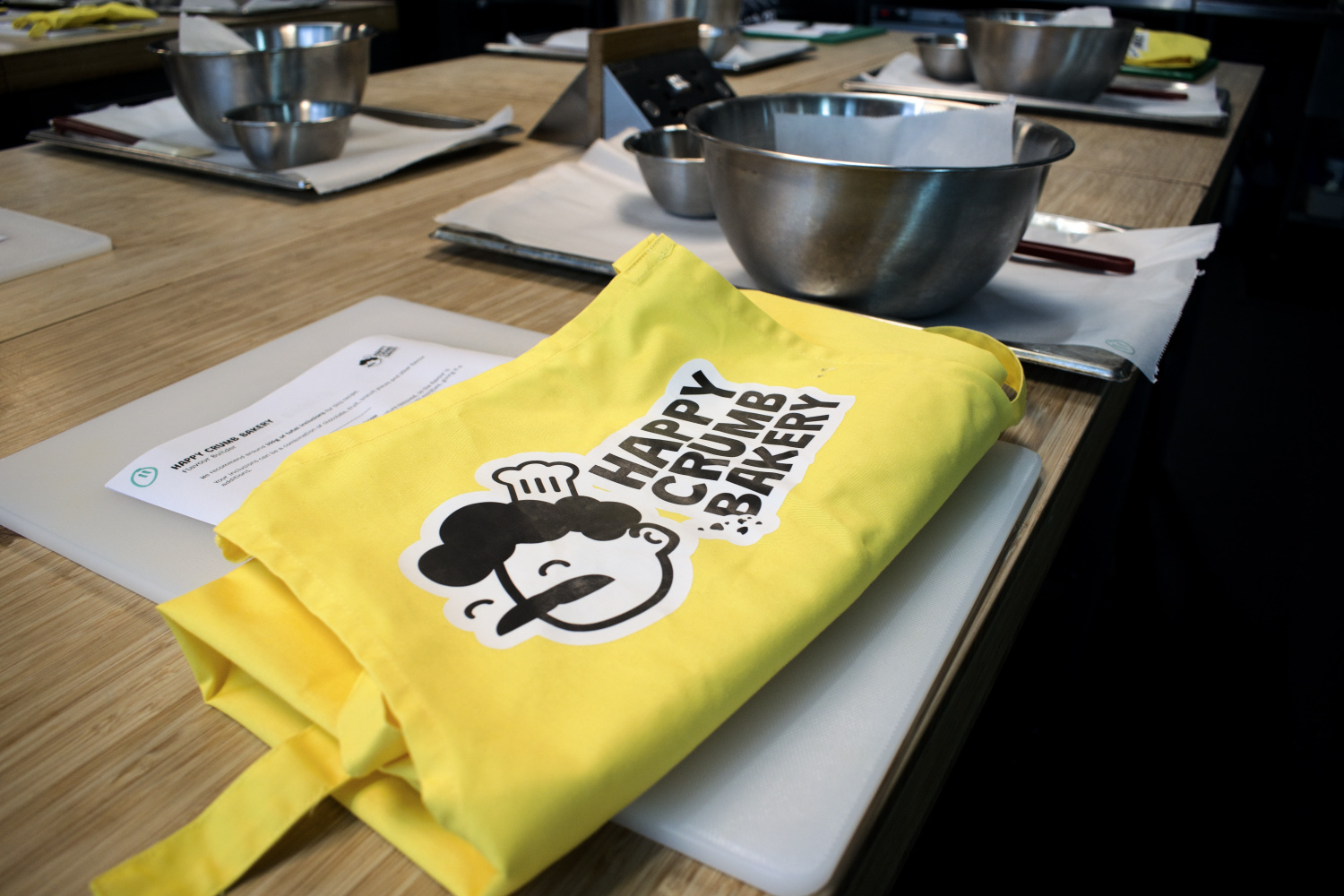
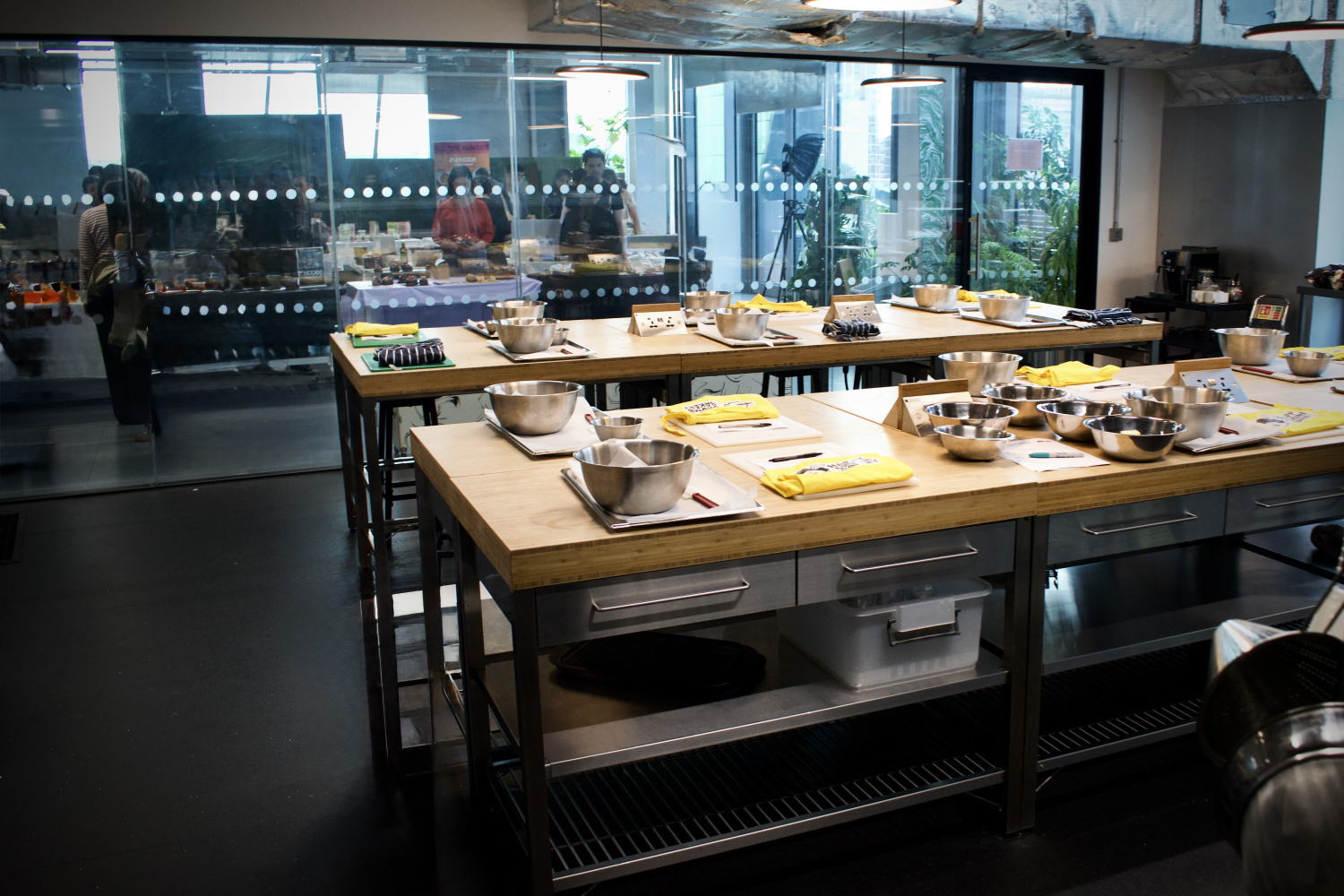
It's based at Mission Kitchen in London, and it's aimed at corporate clients for an away day - though there's nothing to say a group of friends couldn't do it too. Teams step into the world of cookie development, experiment with their own flavour combinations, bake their creations and come up with a concept for the finished product. There's a competitive element, a lot of creativity and, of course, plenty of cookies to enjoy along the way. We recently hosted a session at a Mission Kitchen networking event, and it was wonderful to see how much people enjoyed experimenting and discussing their ideas together. It's a really exciting direction, particularly as we develop the corporate offering.
As for keeping everything moving - having a good team around you is essential. Over the last year we've grown to have amazing teams in the kitchen, as well as people looking after events, corporate, wholesale and marketing. That lets me spend more time developing new products and opportunities. I'm also learning to be selective about where we put our energy. There are always more ideas than hours in the day - and believe me, I have a lot of ideas.
 Happy Crumb is proudly queer-led. How much does that shape the business - and what does a queer-led bakery mean to you in practice?
For me, it means being able to build a business that reflects who I am and the values I believe in.
I want Happy Crumb to feel welcoming, friendly and inclusive - for the people who work with us and for the customers who discover our products.
I've tried to instil that from the foundations. Think about it: baking is a big part of happiness for people. We celebrate with cake, we offer comfort with cake, and even the act of baking brings the baker a little happiness - that's where the name Happy Crumb came from. Food has a wonderful ability to bring people together, and I love the idea that something as simple as a cookie can create a little moment of connection.
Being queer-led is part of our identity, and I'm proud of that. I think back to my childhood and the lack of representation for LGBTQ+ people in the Nineties and Noughties. I hope that by being proud in our identity, we can show people who might otherwise feel marginalised that there is space for them too. It's so important to see businesses built by founders from a wide range of backgrounds and experiences. As Happy Crumb grows, I hope we can create opportunities for people to feel comfortable being themselves, and to contribute to a business where their individuality is valued.
Follow your story and one thing stands out: a relentless optimism. After a flood, a closure and a Soho setback, the message is always that business is going well. Where does that belief come from - and how do you keep it honest on the hard days?
Running a small business is not easy. You have to realise that although there is support, no one is there to advocate for you - you truly have to believe in yourself and your product, all while leading a team. There will be knock-backs. Believe me. And those are just the ones you know about.
But alongside the setbacks, we've had some really amazing opportunities. We traded at the Town Show in Harlow over a bank holiday weekend and sold out by two o'clock on the second day. At Sydenham Night Market this summer - every Friday, outside the station - we had a constant queue, week after week. It's those days that remind me we have a great product people want. The setbacks are part of running a business: some things are outside our control, and others teach us what to do differently next time.
Don't get me wrong - there have been days when I've shed a tear or two, days when I've questioned whether quitting my job was the right choice. But at the end of the day, it doesn't help the team or the business if the leader is flapping. Through it all, I can honestly say: yes, it was the right decision.
Where do you want Happy Crumb to be in five years - and when you get there, what will success actually feel like?
I'd love Happy Crumb to become a recognised name for really exceptional cookies, with our boxes finding their way into homes, offices and celebrations across the country. We're already developing several sides of the business - the online shop, corporate gifting, events, and the Cookie Lab - and we're preparing to launch Crumb Supply, our dedicated wholesale brand, which will supply cookies and other bakery products to cafés, hospitality businesses and stockists. Over the next five years, I'd love to see those areas grow into a thriving, sustainable business with a fantastic team behind it. I'd also love a permanent Happy Crumb location, where customers can come in, enjoy a freshly baked cookie and experience the brand in person.
But my definition of success has changed a little since I started. Of course I want the business to grow - but I also want it to provide a good living for the people who work here, and the freedom to keep creating exciting products. Two of the biggest challenges as the team grows are encouraging everyone to feel the same enthusiasm for the brand that I do, and making sure they're happy while they work here. I'd love to reach a point where I can look at what we've built, see a brilliant team running a business people genuinely love, and feel proud of the journey it took to get there.
And if people are still coming back for another cookie, I'll be very happy indeed.
Happy Crumb Bakery trades regularly at Lower Marsh in Waterloo, alongside markets and events across London, and bakes from a commercial kitchen in Battersea. Its Cookie Lab team-building experience runs from Mission Kitchen; a wholesale arm, Crumb Supply, is in preparation. Grant Marshall-Koper is founder, baker and self-described Cookie Enthusiast.